Introduction
In an age where sustainability is at the forefront of public awareness, making eco-conscious options becomes increasingly crucial, specifically in metropolitan settings like Melbourne. One area frequently overlooked in sustainable living is fencing. Lots of house owners are keen to enhance their outdoor spaces while making sure that their choices contribute positively to the environment. This article will check out various Eco-Friendly Fencing Alternatives for Sustainable Residing In Melbourne, using insights into materials, designs, and advantages, while stressing the importance of responsible sourcing and installation.
Fencing Melbourne: The Required for Sustainable Solutions
As Melbourne expands, so does the requirement for reliable fencing solutions. However how can we ensure these services align with our commitment to sustainability? Conventional fencing products like treated wood or vinyl can have significant environmental impacts. Therefore, checking out eco-friendly fencing options assists us accomplish a balance between aesthetics and environmental responsibility.
Understanding Environmentally friendly Fencing
What is eco-friendly fencing?
Eco-friendly fencing describes fencing services made from sustainable materials that decrease environmental effect throughout their lifecycle-- from production and installation to disposal or recycling.
Importance of Environment-friendly Fencing
Reduced Carbon Footprint: Standard materials often contribute significantly to greenhouse gas emissions throughout production. Sustainable Sourcing: Environmentally friendly products are sourced responsibly, guaranteeing minimal damage to ecosystems. Durability: Lots of sustainable materials provide enhanced sturdiness, lowering the need for regular replacements.Types of Eco-Friendly Fencing Options Available in Melbourne
When it pertains to environment-friendly fencing alternatives in Melbourne, several options stand out:
Bamboo Fencing
Bamboo has acquired appeal as a sustainable product due to its fast development and renewability.
- Advantages of Bamboo: Fast-growing and renewable. Lightweight yet strong. Naturally resistant to pests.
Recycled Composite Fencing
Made from a mix of recycled plastics and wood fibers, composite fencing uses an excellent alternative.
- Benefits: Low maintenance. Resistant to weathering and rotting. Utilizes waste materials.
Cedar Wood Fencing
Cedar is a naturally resilient wood that requires minimal treatment.
- Why Select Cedar? Naturally resistant to insects. Produces less emissions during processing. Aesthetically pleasing with an abundant color.
Living Green Fences
Integrating plants into your fence can develop a beautiful living barrier.
- What are the Benefits? Enhances biodiversity by offering environments for wildlife. Improves air quality through natural filtration. Offers natural insulation and sound reduction.
Stone or Rock Walls
Natural stone fences are classic and extremely durable.
- Reasons to Consider Stone: Minimal ecological effect when sourced locally. Long-lasting with low maintenance needs. Provides excellent thermal properties.
Designing Your Eco-Friendly Fence
Design plays a crucial role in maximizing the benefits of environmentally friendly fencing.
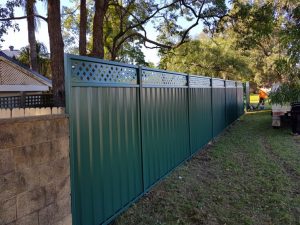
Choosing the Right Style
Consider your home's architecture when choosing an environmentally friendly fence design. Popular designs include:
Contemporary: Tidy lines utilizing bamboo or recycled composites. Rustic: Natural cedar or stone walls harmonizing with nature. Vertical Gardens: Incorporating plants into wood or metal frames.Color Considerations
Opt for natural colors that match your landscape rather than artificial dyes that might leach chemicals over time.
Installation Practices for Sustainability
Proper installation methods can further enhance the sustainability of your fence.
Professional vs DIY Installation
While do it yourself projects can be rewarding, hiring professionals ensures adherence to best practices relating to sustainability:
- Professionals frequently use techniques that minimize waste throughout installation. Properly set up fences need less upkeep with time, boosting longevity.
Maintaining Your Environmentally friendly Fence
Maintenance is essential when it pertains to protecting your eco-friendly investment.
Regular Inspections
Conduct regular look at structural integrity-- look for indications of wear or damage without jeopardizing the environment through https://holdencpps280.trexgame.net/how-to-select-the-perfect-pool-fence-for-your-residential-or-commercial-property-in-melbourne chemical treatments.
Natural Maintenance Solutions
Use natural oils or natural spots rather of harsh chemicals; these protect your fence while respecting Mom Earth.
FAQ Section
1. What are some typical eco-friendly products utilized in fencing?
Common materials include bamboo, recycled composites, cedar wood, stone, and living green plants which all contribute positively towards sustainable living practices.
2. For how long do environmentally friendly fences last compared to traditional fences?
Many eco-friendly fences outlive conventional options due to their resilient properties (e.g., recycled composites) or naturally pest-resistant qualities (e.g., cedar).
3. Are there any local suppliers in Melbourne specializing in environment-friendly fencing?
Yes! Plenty of regional suppliers focus on sustainable building practices; they supply numerous products tailored particularly for environmentally mindful consumers in Melbourne.
4. Can I install an environment-friendly fence myself?
Absolutely! Nevertheless, expert setups often make sure optimal outcomes relating to sturdiness and sustainability best practices if you're not sure about handling it yourself!
5. Exist any guidelines I need to be knowledgeable about when installing a fence in Melbourne?
Yes! Local councils typically have standards relating to height limitations and border positionings; checking these policies before proceeding is advisable!


6. How do I select in between various types of environmentally friendly fences?
Consider factors such as aesthetic preferences, budget restraints, preferred sturdiness levels alongside ecological impacts when choosing which type matches you best!
Conclusion
Choosing from diverse Eco-Friendly Fencing Alternatives for Sustainable Living in Melbourne not only enhances your property aesthetically but likewise contributes positively towards ecological preservation efforts within our communities! By going with sustainably sourced materials while executing accountable installation practices-- you're playing an active role in promoting ecological awareness today! Keep in mind always consider both form & & function when creating your perfect outdoor sanctuary; after all-- green living starts right at home!
This comprehensive guide acts as both an educational resource and practical recommendations focused on assisting in notified decision-making among property owners thinking about incorporating sustainable practices into their outside areas while guaranteeing compliance with eco-friendly requirements-- paving method towards greener future one fence at a time!